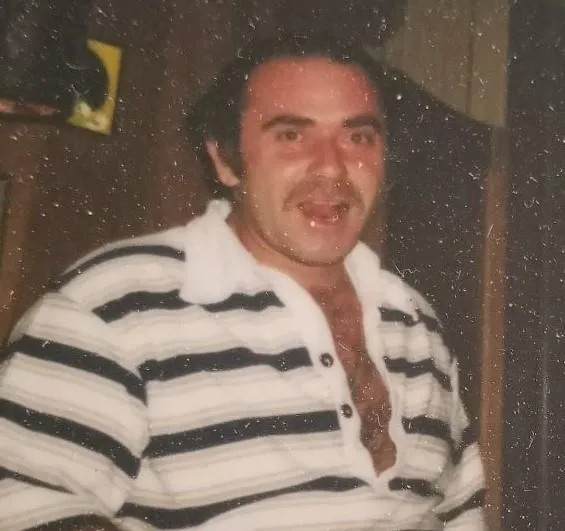
Donald Raymond Loar
Last seen February 1998; found Aug. 29, 1998Rancho Mission Viejo lands, southeastern Orange County
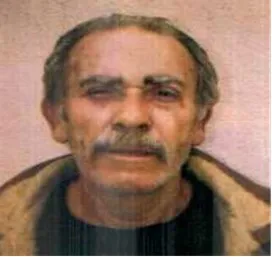
In August 1998 a biologist surveying the Rancho Mission Viejo ranch lands in southeastern Orange County came across human remains. A later search found a shallow grave. For 25 years the man was a John Doe. In 2024, genetic genealogy identified him as Donald Raymond Loar, 54, who had been reported missing from Bellflower in Los Angeles County six months before he was found.
- Identified by DNA
- Former John Doe
- Shallow grave
- Two counties
- Case typeUnsolved homicide
- Key dateLast seen February 1998; found Aug. 29, 1998
- WhereSouth Orange County
- Unanswered for28 years
- IdentifiedNamed by DNA
Donald’s story
On Aug. 29, 1998, a research biologist working for the Rancho Mission Viejo Company found what looked like human remains in a remote part of southeastern Orange County. At first it didn’t look like a homicide. Then, in September, a further search turned up what investigators believed was a shallow grave, with more remains and clothing. Efforts to identify the man failed, and he stayed a John Doe for 25 years. [1][2]
In January 2024, DNA confirmed he was Donald Raymond Loar, 54, who had been reported missing from Bellflower in Los Angeles County in February 1998. How he came to be buried on remote ranch land about 50 miles away is the question investigators are now trying to answer. [2]
Who Donald was
Donald was last seen in Bellflower in February 1998. His girlfriend reported him missing to the Los Angeles County Sheriff’s Department. She said he wasn’t working, but he wouldn’t normally be gone long without checking in. It was believed he had been with several acquaintances when last seen, but investigators later learned they were not the last people to see him. When he was finally identified, the clothes found with the remains were similar to what he was reportedly wearing when he disappeared. [1][2]
What happened
- February 1998: Donald disappears from Bellflower.
- Aug. 29, 1998: the remains are found. Sheriff’s homicide investigators, crime-lab staff and the coroner respond but see no sign of homicide.
- Aug. 30: a more thorough search finds nothing more. Experts estimate the man was white or Latino, over 40 and about 5’6” to 5’8”.
- September 1998: another search finds a shallow grave, more remains and more clothing. Months of work fail to identify him. [1][2]
In January 2023, the Sheriff’s Department and the California Department of Justice laboratory sent samples to the lab Othram, which built a DNA profile the next month. Genealogy research produced a tentative identification in November 2023. After meeting LA County deputies about Donald’s 1998 missing-person report, investigators collected DNA from his family, and the state confirmed the match on Jan. 24, 2024. [2][3]
Where it happened
In 1998 the Rancho Mission Viejo lands were open ranch country inland from San Juan Capistrano, largely without houses or public roads. Much of that land has since been developed. The exact location hasn’t been published. [2][3]
What investigators have said
With Donald identified, the Sheriff’s Department says it is now focusing on the circumstances of his death. No cause or manner of death has been published. [1][2]
Where accounts differ
- When the identification was confirmed. The Sheriff’s Department’s case page says “January 2023,” but that is before the DNA profile even existed. Its own February 2024 release gives Jan. 24, 2024, which is correct. [1][2]
Open questions
- Who was Donald with in February 1998, and who saw him after them?
- How did he get from Bellflower to remote ranch land in southern Orange County?
- Who knew the Rancho Mission Viejo backcountry well enough to dig a grave there?
What you can do
- If you knew Donald Loar in Bellflower, Downey or nearby in early 1998, or know who he spent time with, contact the cold case team.
- If you worked on or had access to Rancho Mission Viejo ranch land in 1998, think about anyone who drove those back roads who didn’t belong there.
- Research: search the Long Beach Press-Telegram and Downey–Bellflower papers for February and March 1998 missing-person notices, and the Register and LA Times for coverage of the August–September 1998 discovery.
Places in Donald's story
All locations are approximate and drawn from published descriptions. Circles show how precise each one is. Exact addresses are deliberately not shown. Please respect private property.
- Last seen
- Found
Last seen · city or town only
Bellflower
Last seen here in February 1998.
Found · rough region only
Rancho Mission Viejo ranch lands, southeastern Orange County
Remains found Aug. 29, 1998; a shallow grave was found in September.
Donald's timeline
- Confirmed
- Reported by one source
- Disputed
Donald Loar is last seen in Bellflower. His girlfriend reports him missing to the LA County Sheriff's Department. He isn't working, and she says he wouldn't normally be gone long without checking in.
A research biologist for the Rancho Mission Viejo Company finds what he believes are human remains in a remote area. Responders see no initial sign of homicide.
A wider search finds nothing more. Experts estimate the man was white or Latino, over 40, about 5'6"–5'8".
A further search finds what is believed to be a shallow grave, more remains and more clothing.
OCSD and the California DOJ lab send samples to Othram for a DNA profile.
Genealogy research tentatively identifies the man as Donald Raymond Loar.
Investigators meet LA County deputies about his 1998 missing-person report and collect DNA from his family.
The California DOJ confirms the identification.
OCSD announces it.
Sources
Numbers in the text point to these sources. Some newspaper archives need a library card or subscription; most public libraries give free access.
- 1.February 1998: Donald Raymond Loar · Orange County Sheriff's Department
- 2.John Doe identified after 25 years · Orange County Sheriff's Department, Feb. 6, 2024
- 3.San Juan Capistrano John Doe (1998) is now identified · Othram / DNASolves, Feb. 6, 2024
Page last reviewed . The investigating agency's own statements take precedence over anything here.