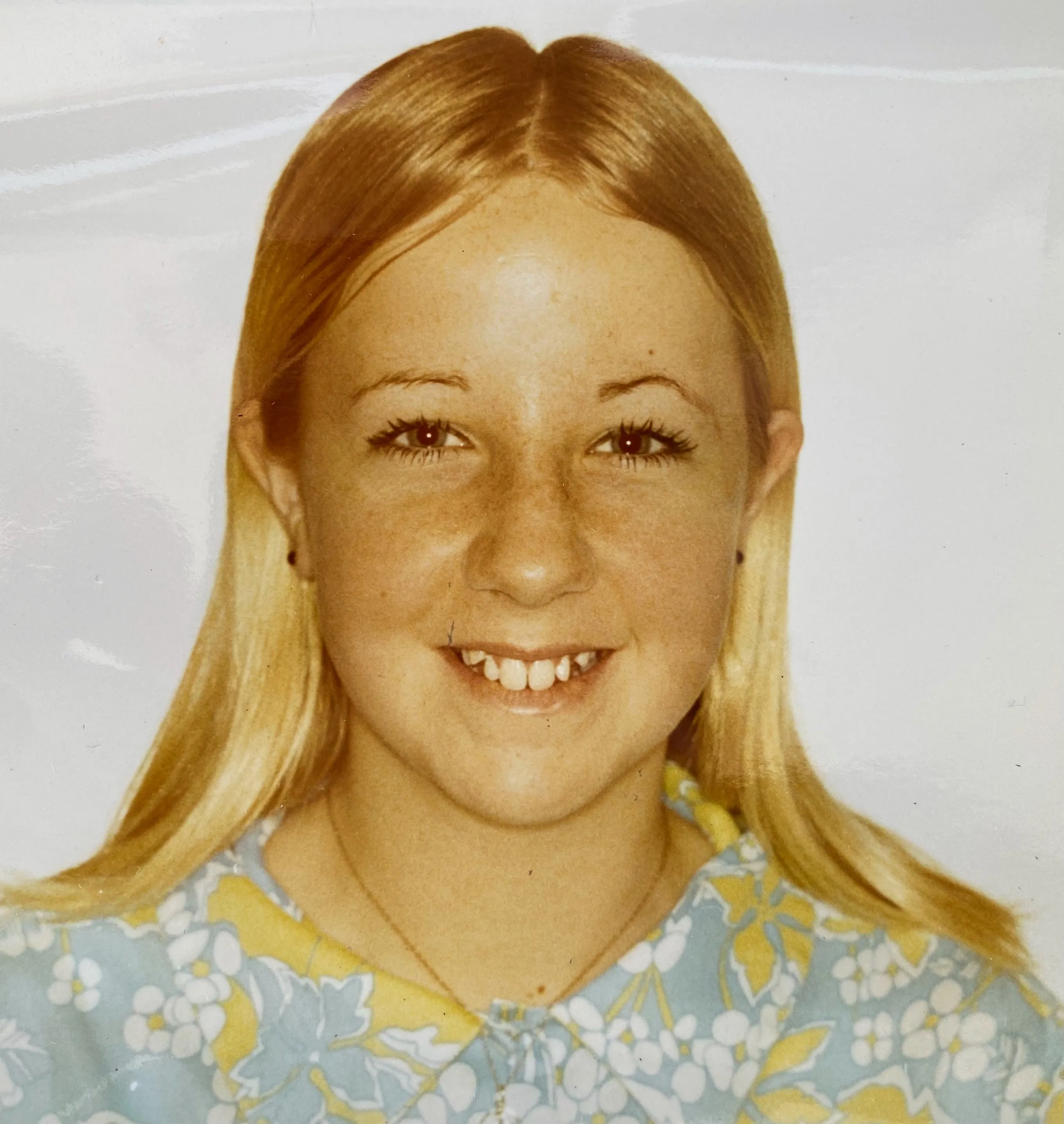
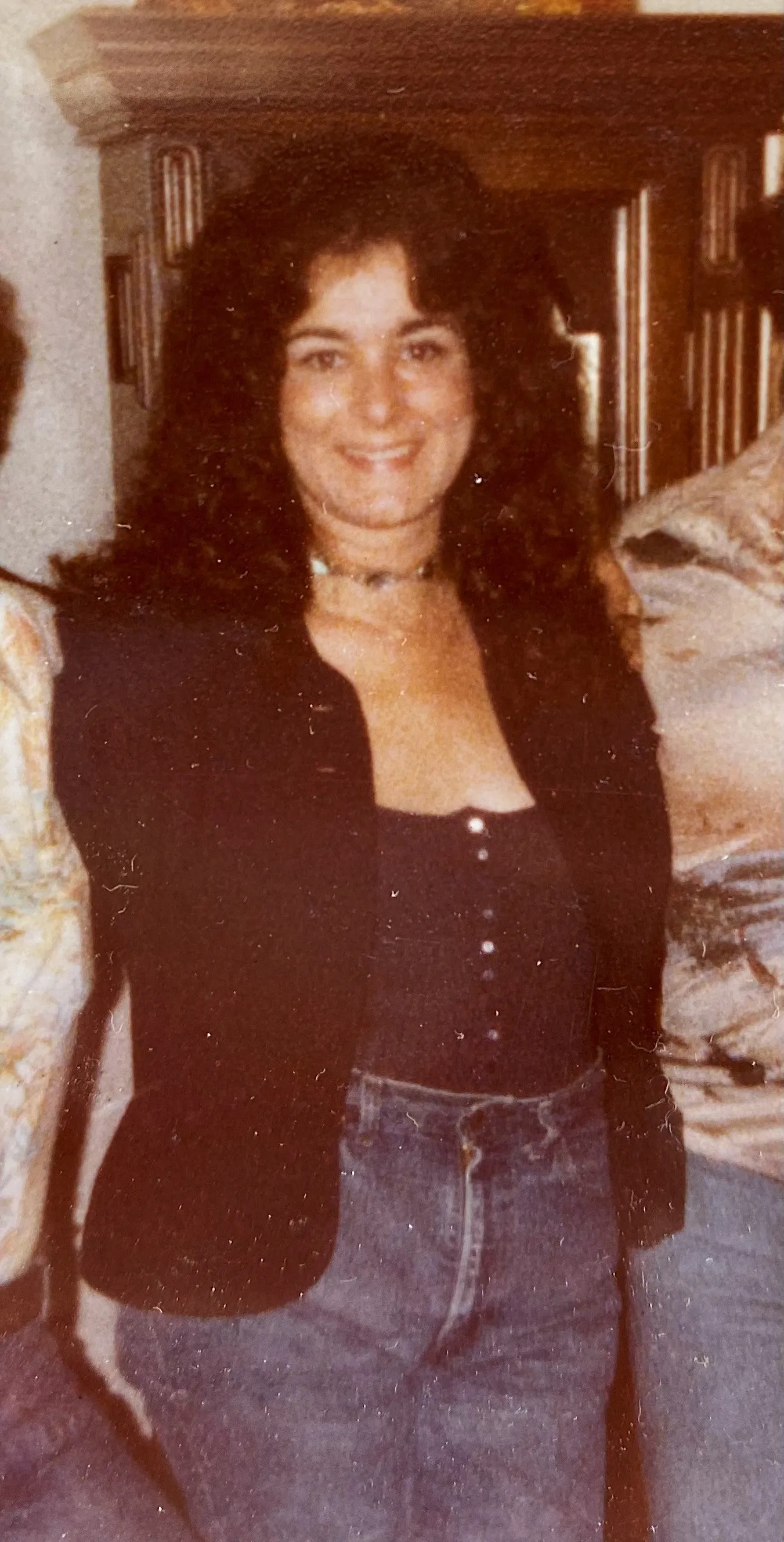
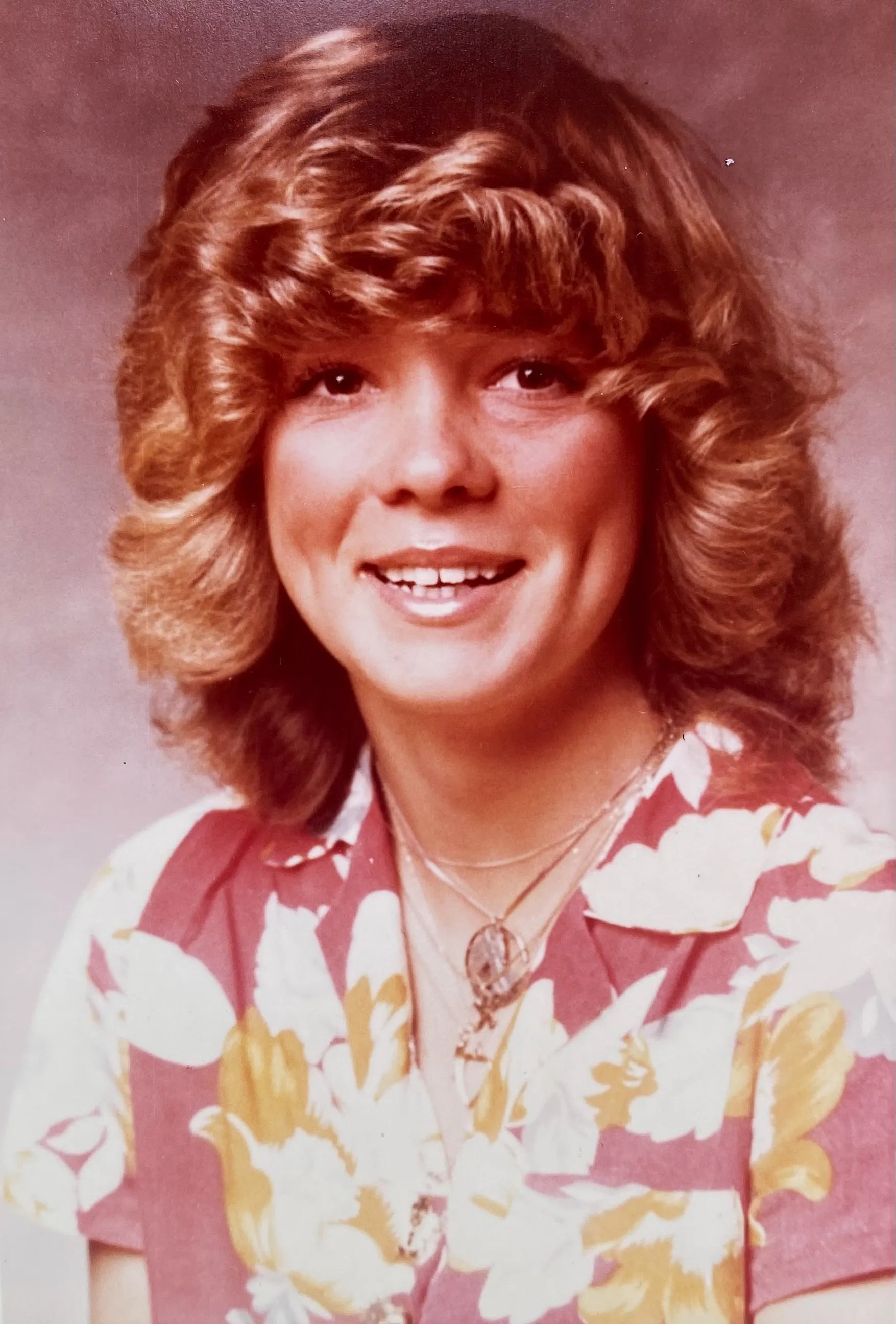
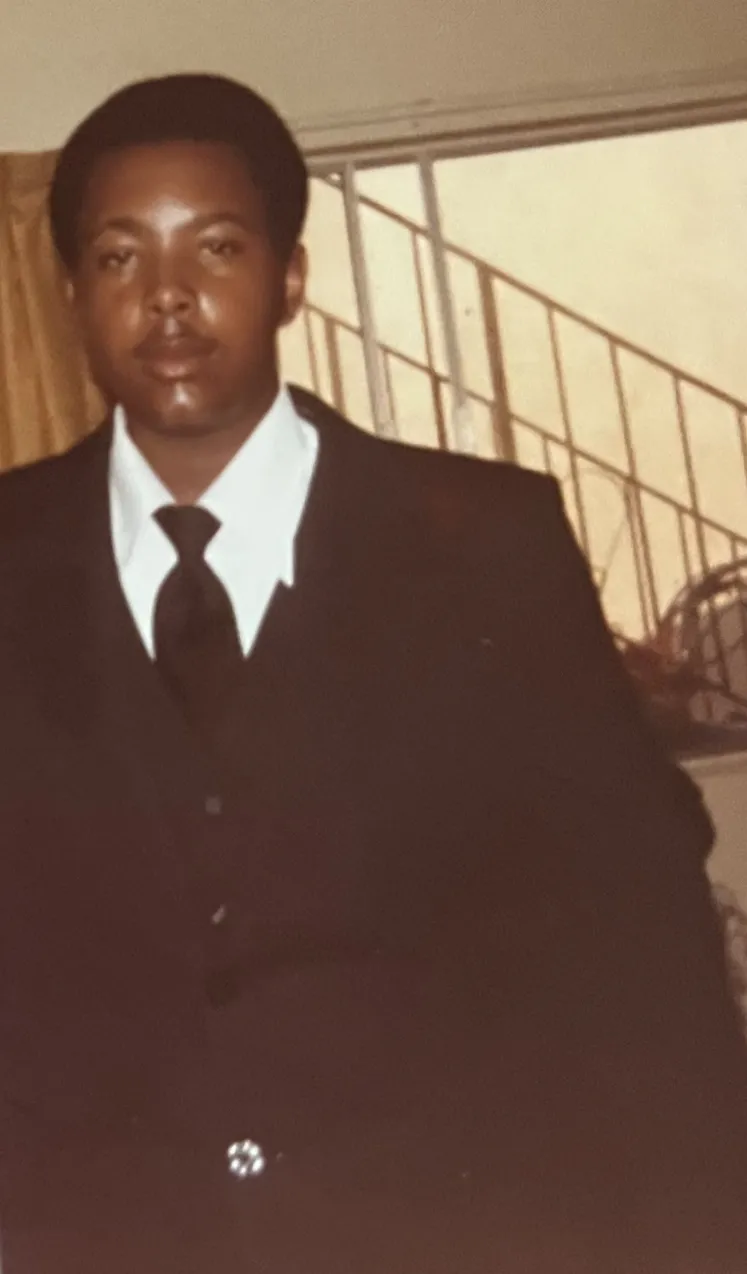
Michael Ray Schlicht
Found Sept. 14, 1974Fire road, present-day Aliso Viejo
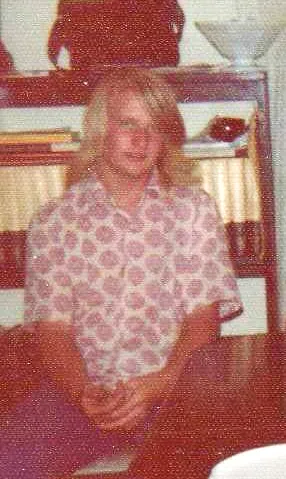
In September 1974, two people off-roading on a fire road in what is now Aliso Viejo found the body of a young man. His death was ruled an accidental overdose of alcohol and Valium, and he was buried as John Doe. Forty-nine years later, DNA identified him as 17-year-old Michael Ray Schlicht of Cedar Rapids, Iowa, missing since that April. Investigators have long believed he was an early victim of the “Scorecard Killer,” Randy Kraft.
- Identified by DNA
- Randy Kraft
- Former John Doe
- Teenager
- Case typeUnsolved homicide
- Key dateFound Sept. 14, 1974
- WhereSouth Orange County
- Unanswered for52 years
- IdentifiedNamed by DNA
Michael’s story
On Sept. 14, 1974, two people off-roading on a fire road in the hills of what is now Aliso Viejo found a young man’s body beside the trail. He carried no identification. The coroner ruled his death an accident caused by alcohol and diazepam (Valium). Fingerprint searches found no match, and within weeks he was buried as John Doe in an unmarked grave at El Toro Memorial Park. [1]
Nearly half a century later, DNA and family-tree research identified him as Michael Ray Schlicht, 17, of Cedar Rapids, Iowa. The Sheriff’s Department says he “has long been thought to be an early victim” of Randy Kraft, the “Scorecard Killer.” Kraft has never been charged with Michael’s death. [1][2]
Who Michael was
Michael grew up in Cedar Rapids, Iowa. His sister told investigators she had not seen her 17-year-old brother since April 1974, about five months before he was found 1,700 miles away in Orange County. How and why he came to Southern California hasn’t been made public. After his identification, his family began arranging a headstone for his grave. [1][3]
What happened
Authorities estimated Michael had died three to five days before he was found, around Sept. 9–11, 1974. [2]
At first his death looked accidental. That changed in hindsight. In 1978, young men were found dead along South County roads after being plied with alcohol and diazepam and then killed, and those deaths were ruled homicides. Two were found within a few miles of the fire road: one beside Moulton Parkway half a mile north of La Paz Road, and one on Interstate 5 between La Paz Road and Oso Parkway. By 1980, investigators had noted the pattern. [1][5]
In May 1983, a California Highway Patrol officer stopped Randy Kraft on the San Diego Freeway and found a dead Marine in his passenger seat. In Kraft’s trunk was a coded list of apparent victims. Kraft was convicted in 1989 of 16 murders and sentenced to death; he is suspected in many more. [1][5]
Where it happened
In 1974 the fire road was in unincorporated hill country near Laguna Hills. A news report described it as “northeast of Laguna Beach.” The area has since become the city of Aliso Viejo. Several of Kraft’s known victims were left along roads in the same part of South County. [1][4][5]
What investigators have said
The Sheriff’s Department’s cold case team, two investigators trained in genetic genealogy, sent tissue samples to the private lab Othram in November 2022. By October 2023 they had traced Michael’s likely grandparents, then his sister. A DNA sample from a woman in Kansas City, Missouri, believed to be his mother, confirmed his identity. [1][4]
While searching Kraft case evidence for anything related to Michael, investigators found material that helped Oregon police identify a separate 1980 victim in 2025. That announcement did not name a list entry for Michael or add evidence that Kraft killed him. [7]
Any charging decision would rest with the Orange County District Attorney. [4]
Where accounts differ
- The list. When Kraft’s list was made public in 1988, prosecutors matched named 1974 entries to other victims, and about 20 entries remained unmatched. No public record matches any entry to Michael. Online claims that a particular entry refers to him are guesses. [6]
- Accident or homicide. The 1974 ruling was accidental intoxication. The public record doesn’t say when, or whether, it was formally changed. [1]
- At least one online article wrongly describes Michael as a 20-year-old Marine killed in 1978. Every official source says he was 17 and died in 1974.
Open questions
- How did a 17-year-old from Iowa reach Orange County between April and September 1974, and who did he meet there?
- Was Michael reported missing in Iowa in 1974?
- Does any surviving evidence connect his death to Kraft, or to someone else?
What you can do
- If you knew a teenager from Iowa named Michael in Orange County in 1974, perhaps hitchhiking, staying with friends or working odd jobs, contact the cold case team.
- Research: the Cedar Rapids Gazette (April–September 1974) may hold a missing-juvenile notice. It’s digitized on Newspapers.com and indexed by the Cedar Rapids Public Library.
- Read the record: the California Supreme Court’s 2000 decision in People v. Kraft is free online and describes the charged cases, locations and evidence in detail. [5]
Places in Michael's story
All locations are approximate and drawn from published descriptions. Circles show how precise each one is. Exact addresses are deliberately not shown. Please respect private property.
- Home / from
- Found
Home / from · city or town only
Cedar Rapids, Iowa
His hometown; his family last saw him in April 1974.
Found · general area
Fire road, present-day Aliso Viejo
Where off-roaders found him on Sept. 14, 1974.
Michael's timeline
- Confirmed
- Reported by one source
- Disputed
Michael's sister last sees him in Iowa.
Reported
Authorities estimated he died three to five days before he was found.
Two people off-roading on a fire road find his body in what is now Aliso Viejo, then unincorporated Laguna Hills.
The death is ruled an accident (alcohol and diazepam intoxication). Fingerprints find no match. He is buried as John Doe in an unmarked grave at El Toro Memorial Park.
Young men are found dead nearby, drugged with alcohol and diazepam and then killed. Those deaths are ruled homicides, prompting a second look at the 1974 John Doe.
Randy Kraft is arrested on the San Diego Freeway with a dead Marine in his car. A coded list of apparent victims is found in his trunk.
Prosecutors make the list public at Kraft's trial. About 20 entries remain unmatched to any known victim.
Kraft is convicted of 16 Orange County murders and sentenced to death. Michael is not among the charged cases.
Investigators send tissue samples to Othram, a private DNA lab.
Genealogy leads to Michael's grandparents, then his sister, then a woman in Kansas City believed to be his mother. Her DNA confirms his identity.
OCSD announces the identification.
While reviewing Kraft evidence for this case, OCSD helps Oregon police identify a separate 1980 Kraft-linked John Doe.
Sources
Numbers in the text point to these sources. Some newspaper archives need a library card or subscription; most public libraries give free access.
- 1.September 1974: Michael Ray Schlicht · Orange County Sheriff's Department
- 2.Body of teen believed to be victim of ‘Scorecard Killer’ is identified in O.C. after 49 years · Los Angeles Times (Noah Goldberg), Nov. 29, 2023
- 3.Cedar Rapids teen who went missing in 1974 identified as likely victim of California's ‘Scorecard Killer’ · KGAN CBS2 Iowa (Valeree Dunn), Nov. 28, 2023
- 4.‘Scorecard Killer’ alleged victim identified nearly 50 years later · Associated Press via NBC News, Nov. 30, 2023
- 5.People v. Kraft, 23 Cal.4th 978 · California Supreme Court, 2000
- 6.Alleged ‘death list’ made public as Kraft trial opens · Los Angeles Times (Jerry Hicks), Sept. 27, 1988
- 7.OC Sheriff assists Oregon State Police with identifying additional Kraft victim · Orange County Sheriff's Department, May 13, 2025
Page last reviewed . The investigating agency's own statements take precedence over anything here.